
1. Planting And Keeping Oil Palm Seedlings
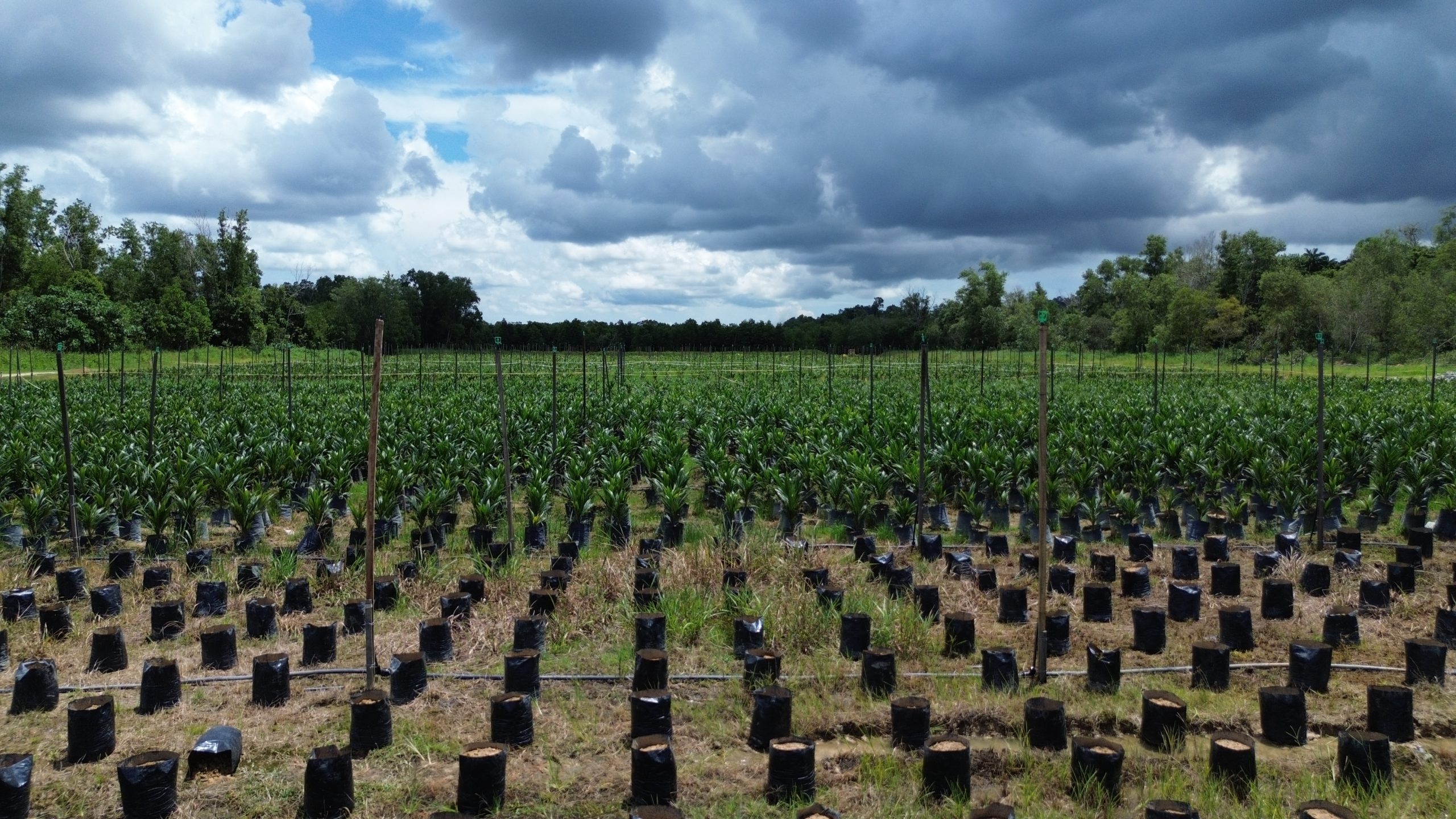
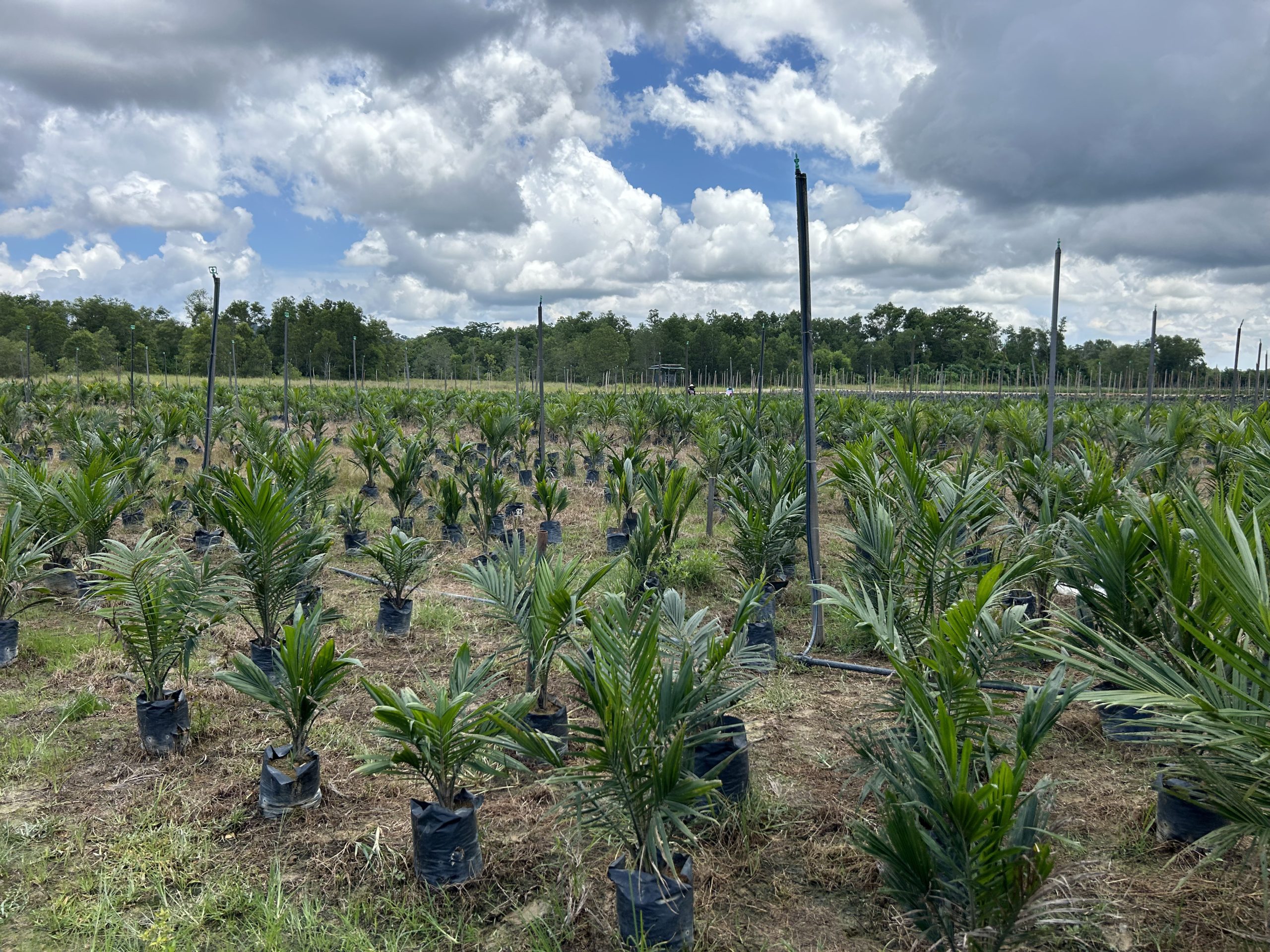
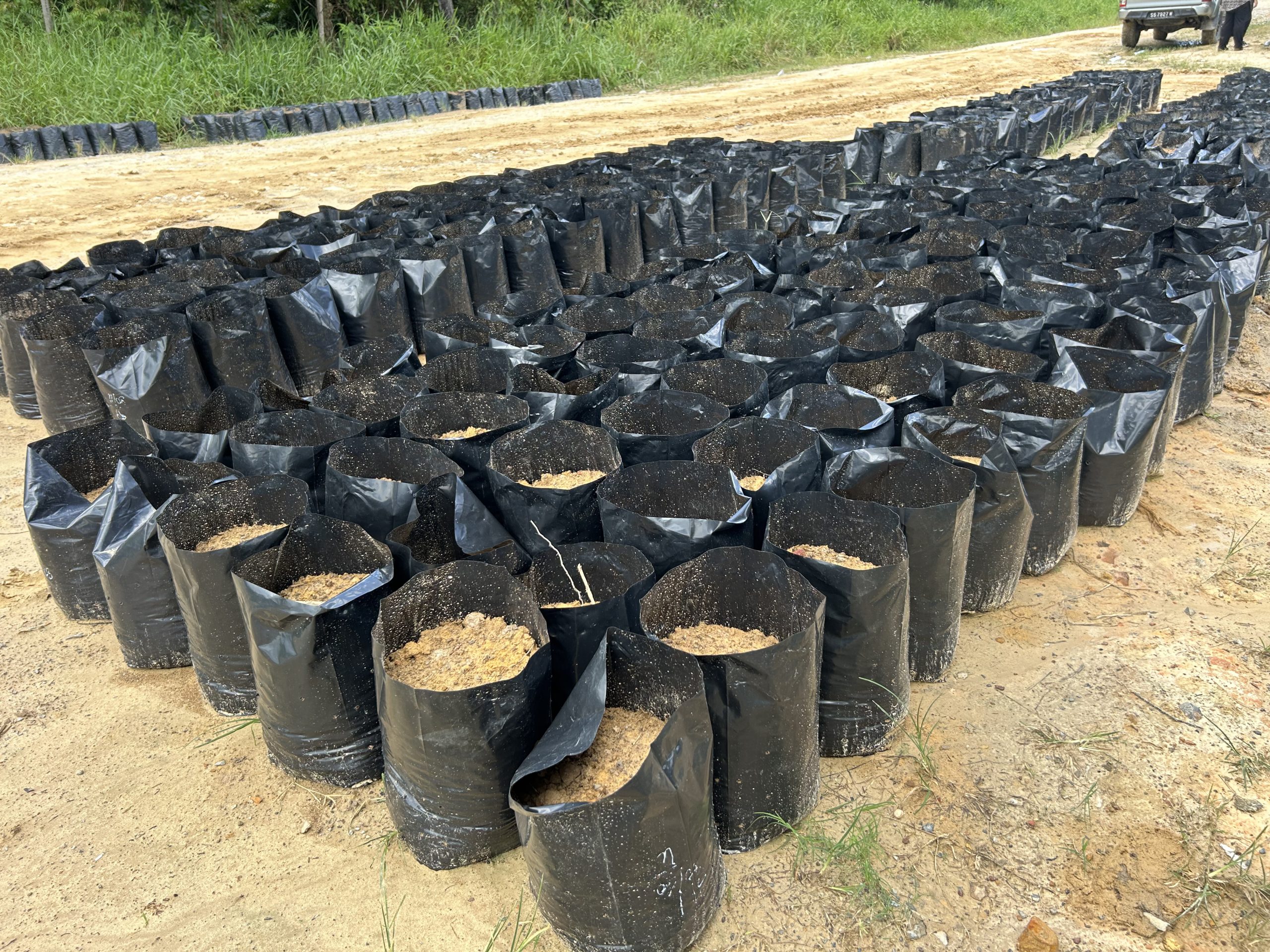
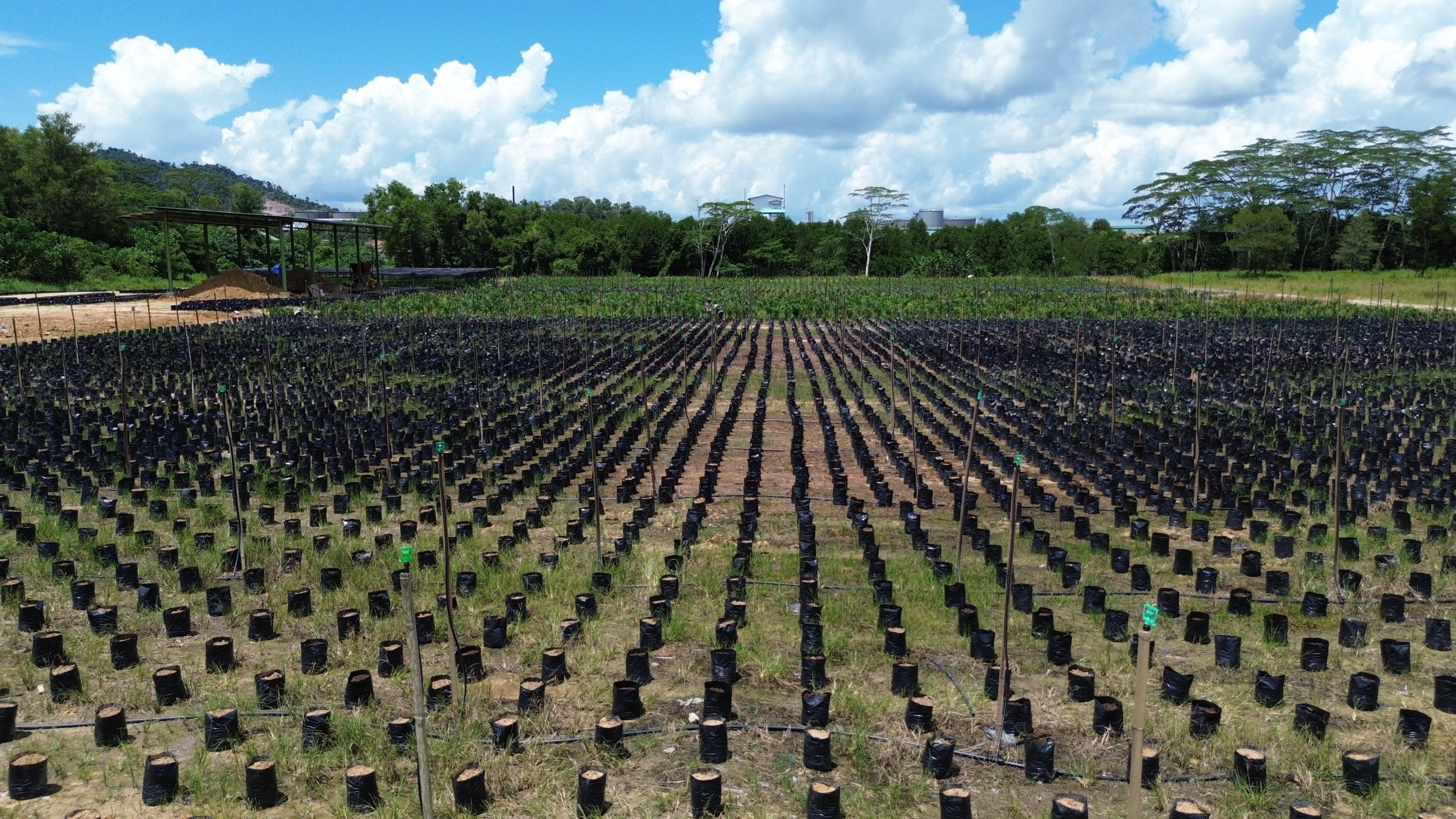
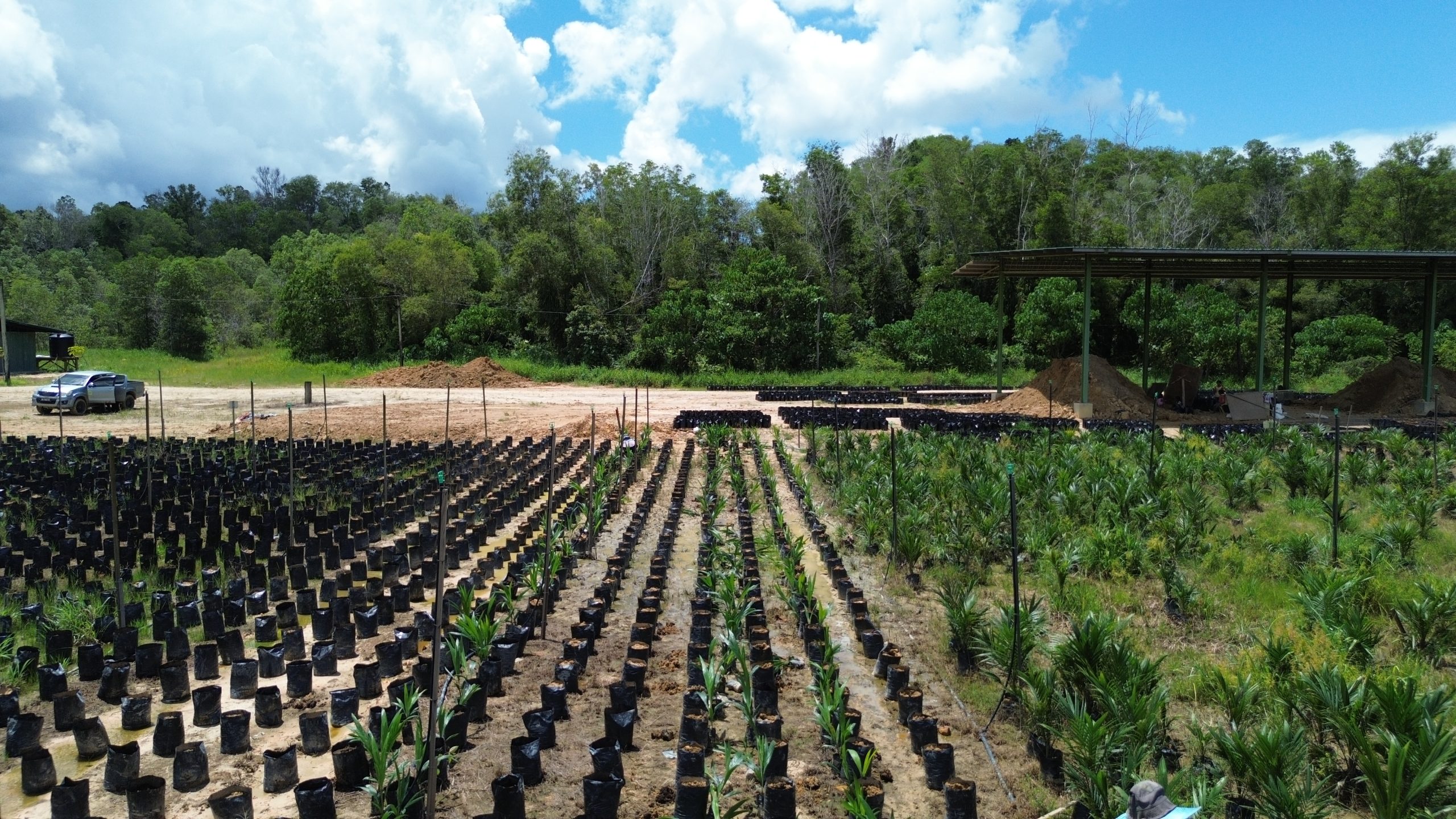
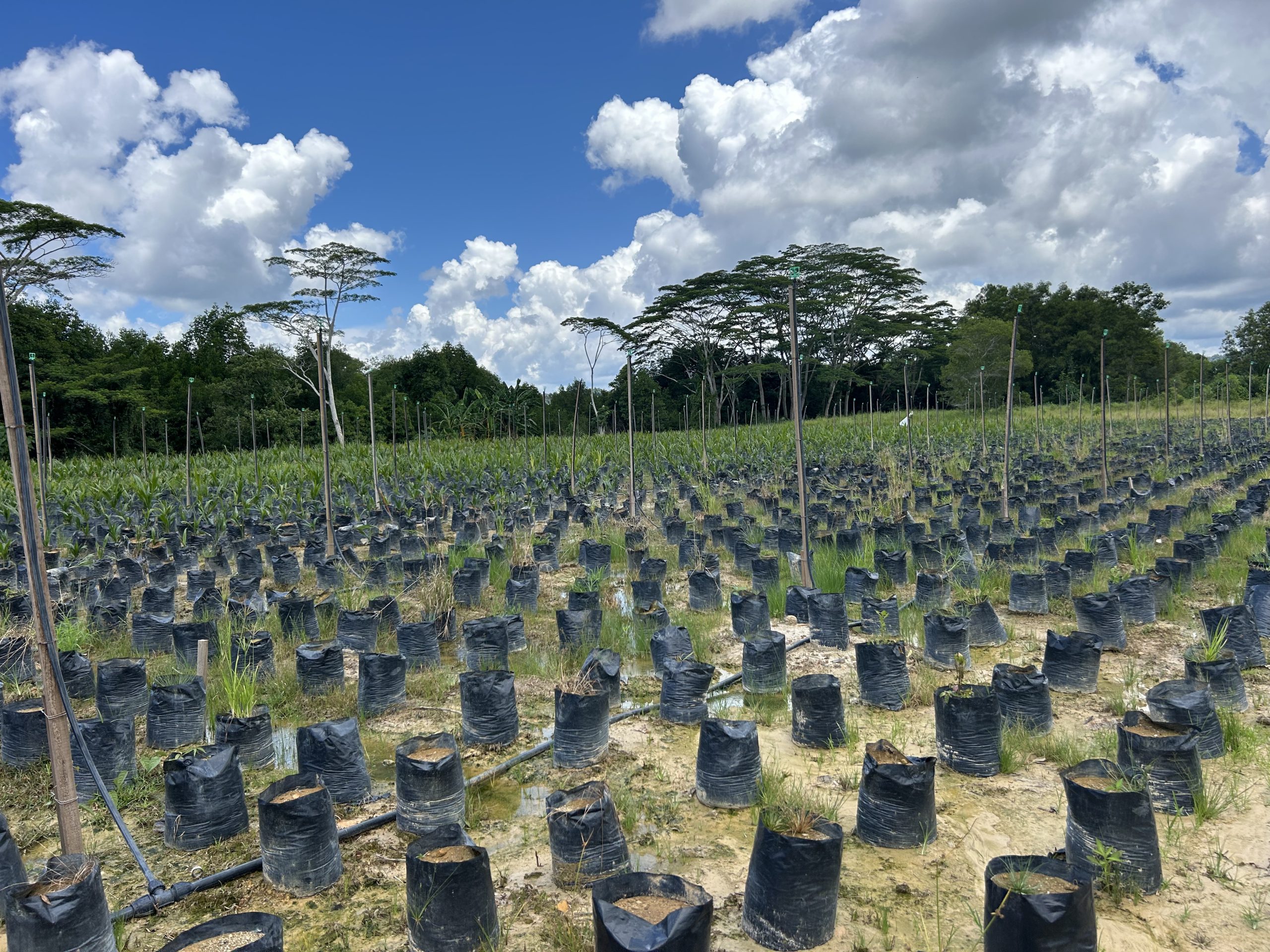
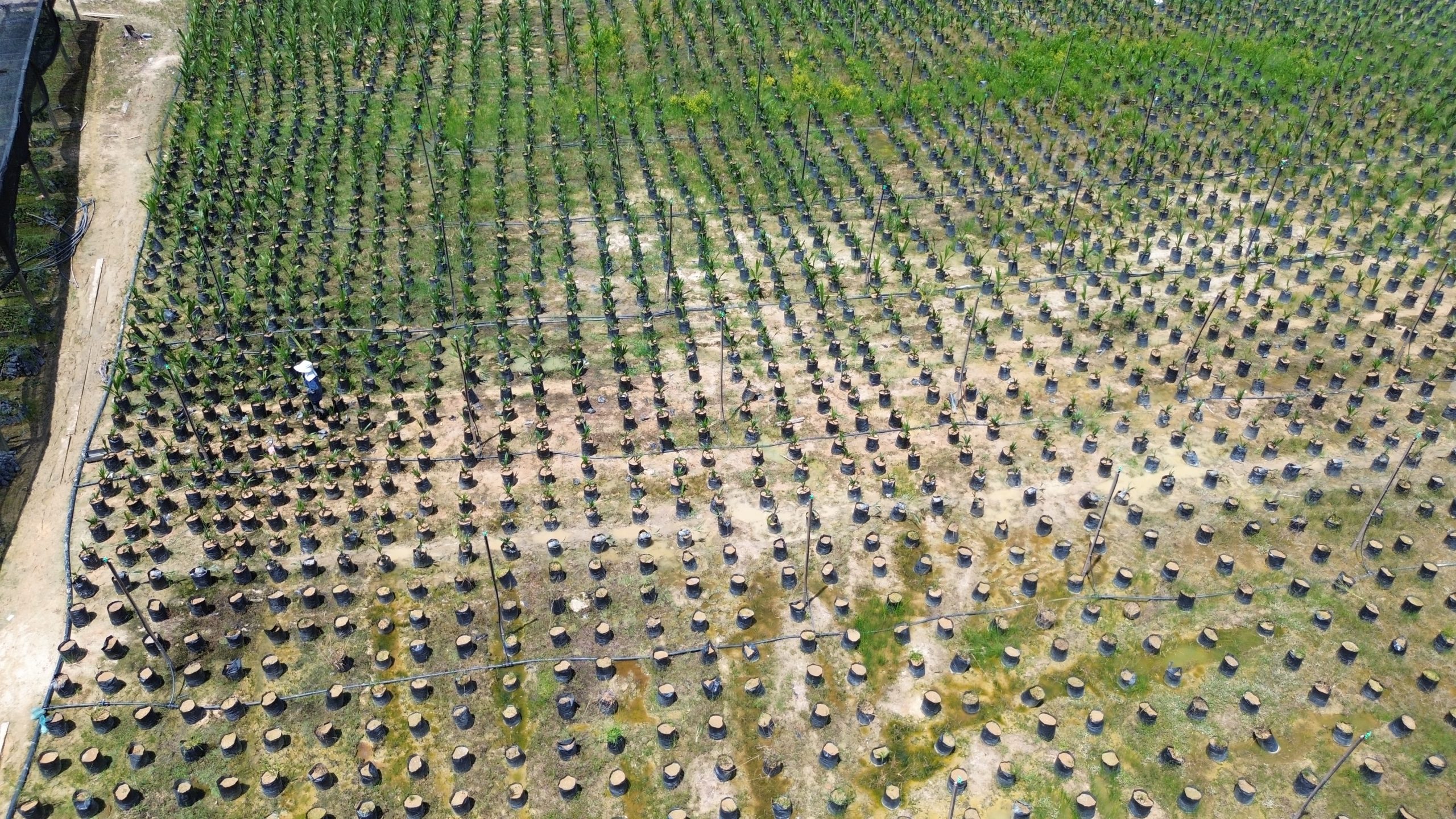
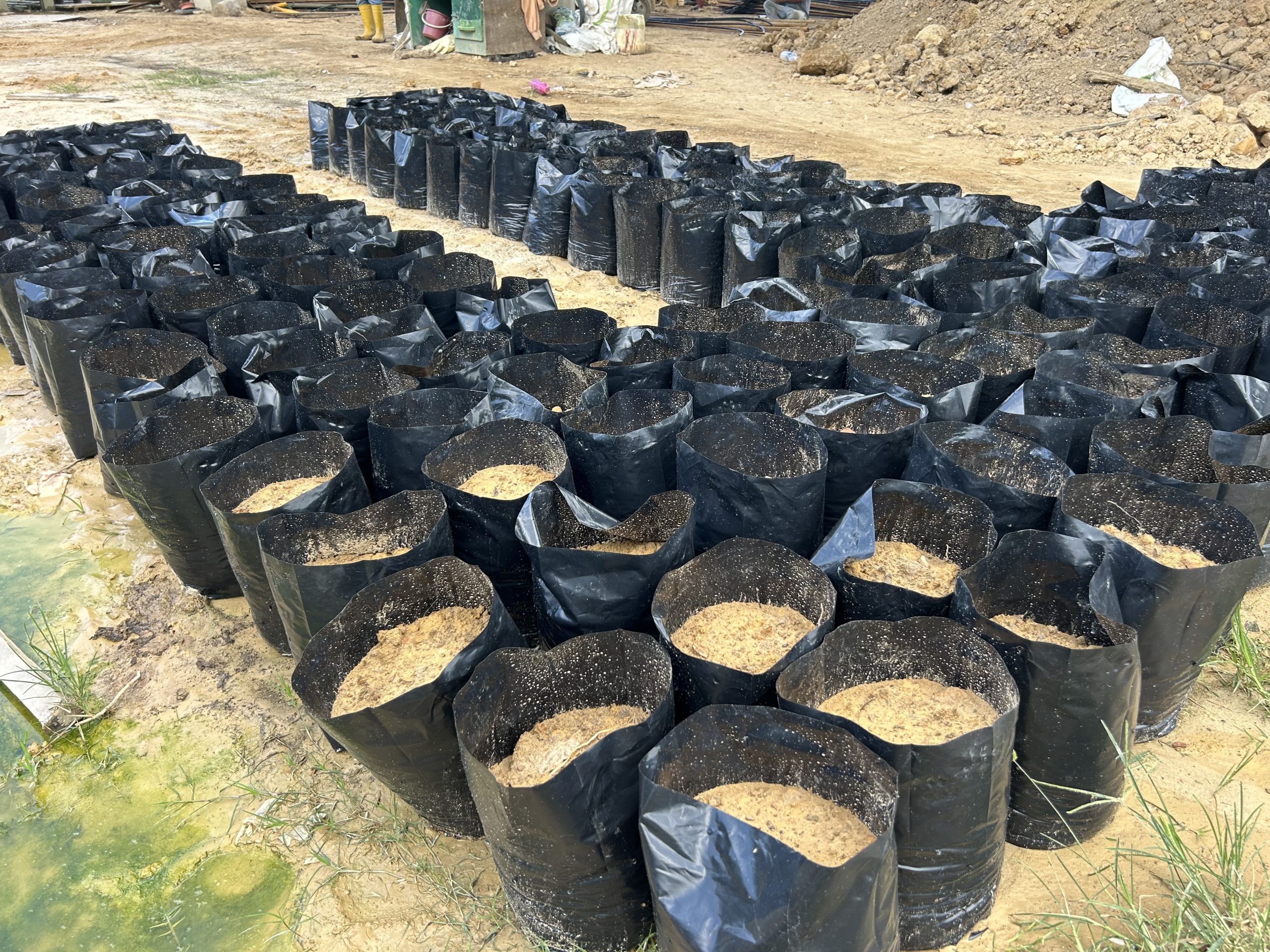
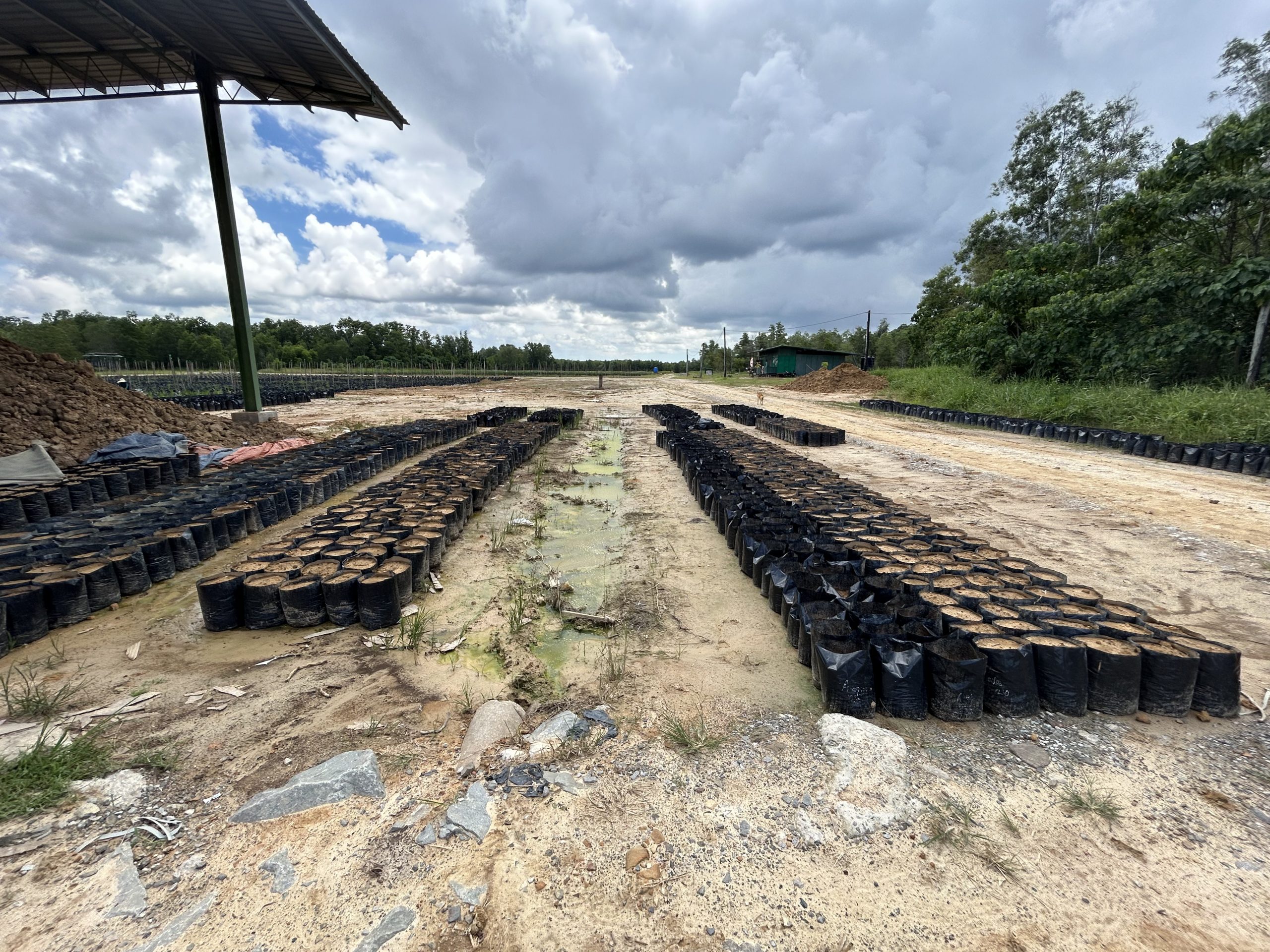
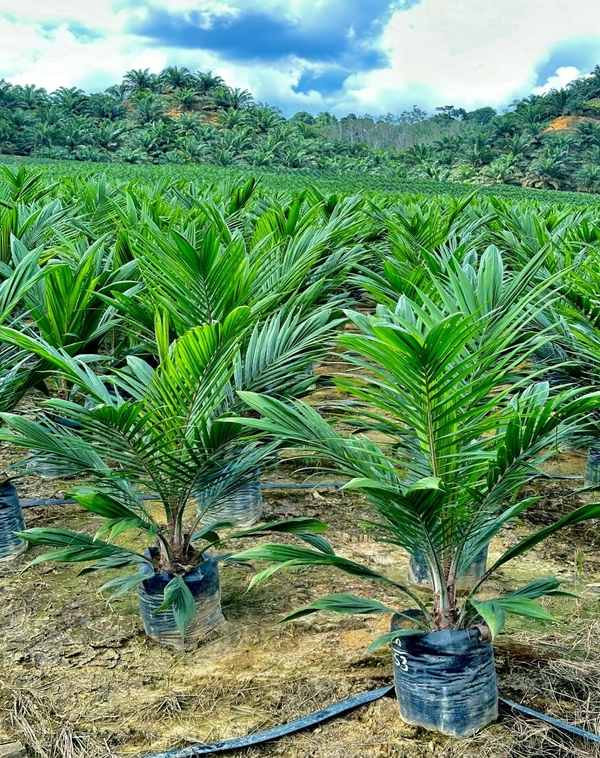
Planting and nurturing oil palm seedlings requires careful attention to several key factors for optimal growth. The process begins with selecting high-quality seeds or healthy seedlings from a reputable source and selecting well-drained, fertile soil with the best pH. Planting sites should be prepared by clearing debris and plowing the soil to improve aeration. For planting, holes approximately 1 meter wide and deep are dug at a distance of 9 to 10 meters. Seedlings or seeds are placed at the correct depth and watered thoroughly to ensure proper settling and hydration.
Ongoing care involves consistent watering to maintain soil moisture while avoiding waterlogging, which can cause root rot. Regular fertilization with a balanced mixture rich in nitrogen, phosphorus and potassium is essential, along with effective weed and pest management to prevent competition and damage. Mulch helps retain moisture and suppress weeds, while periodic pruning of dead or damaged fronds promotes better air circulation and light penetration. By carefully monitoring the seedlings and adjusting care as needed, the growth and development of healthy and productive oil palm trees is supported.
With the availability of the best seeds from Sawit Kinabalu and FGV DxP Yangamb, we are able to provide 100% of the best seedlings to our customers. In addition to regular care, monitoring the health of oil palm seedlings is important for early detection of diseases and nutrient deficiencies. Diseases and nutrient deficiencies such as yellowing leaves due to nitrogen deficiency, should be addressed immediately with appropriate treatments or adjustments in fertilization. Implementing proper pest control measures, such as biological control methods or selective pesticides, helps minimize the risk of infestation. Additionally, ensuring proper spacing between trees not only reduces competition for nutrients but also allows for easier management and maintenance as the trees mature. By remaining vigilant and proactive, the risk of potential issues can be minimized, paving the way for healthier and more productive oil palm plantations.

2. Packaging And Delivery Of Oil Palm Seedlings
Packaging and Delivery of Palm Oil Seedlings requires careful planning to ensure that the seedlings reach their destination in good condition, ready to be planted. The first step in potting involves selecting healthy and strong seedlings, usually around 6-12 months old, with well-developed roots and leaves. Seedlings should be carefully removed from the nursery to avoid damage to the root system. Once removed, the root ball is usually wrapped in a protective material such as a plastic bag or hessian sack to retain moisture and prevent the soil from falling. This minimizes stress on the seedlings during transport and keeps the roots hydrated until they can be replanted.
Proper handling during the packaging process is essential. Seedlings are often collected and tied together to prevent movement during transport, which can cause physical damage such as broken fronds or severed stems. It is important to keep the seedlings upright and avoid piling them on top of each other, as this can crush the more delicate parts. Adequate ventilation should be maintained in the package to allow air circulation and reduce the risk of mold growth or overheating.
Himpunan Palma provides an efficient delivery service using specialized trucks to transport palm tree seedlings. Before the delivery process, our customers will be given the opportunity to choose the desired tree seedlings themselves. We ensure that each selected seedling is in top condition and ready for safe transport.
After the selection process, our workers will carefully lift the seedlings into the truck to ensure there is no damage to the tree or its roots. The trucks used by the Palm Group are equipped with the right features to protect the seedlings during the journey, ensuring that they arrive at their destination fresh and ready for planting.